
Wondering whether Bonnie Brae matches the way you want to live next? That is a smart question to ask before you focus on square footage or finishes alone. If you are looking for an established Denver neighborhood with distinct homes, a central location, and an easy daily rhythm, Bonnie Brae deserves a closer look. Let’s dive in.
What Bonnie Brae Feels Like
Bonnie Brae is a small residential enclave a few miles southeast of downtown Denver. According to the Bonnie Brae Neighborhood Association, it includes about 650 residences and sits within Exposition Avenue, Mississippi Avenue, Steele Street, and University Boulevard. That smaller scale gives it a more contained, neighborhood-centered feel than many larger Denver areas.
The neighborhood is known for winding, tree-lined streets centered around Bonnie Brae Park. That curved street pattern is part of what makes the area stand out. It feels different from Denver’s more typical grid, which can appeal if you want a setting with a little more visual character and a calmer residential layout.
Why Bonnie Brae Stands Out
Bonnie Brae was originally developed in the 1920s. The Bonnie Brae Neighborhood Association says developer George W. Olinger aimed for a peaceful Scottish-village feel, and landscape architect Saco Rienk DeBoer designed the curved street system. Bonnie Brae Park, often called Circle Park, became the centerpiece in 1936, and the neighborhood was largely built out by 1956.
That history matters because it still shapes the experience of being there today. You are not looking at a new master-planned neighborhood or a district defined by towers and large mixed-use projects. Instead, Bonnie Brae offers an established setting where planning, streetscape, and home character still carry a strong sense of identity.
Home Styles in Bonnie Brae
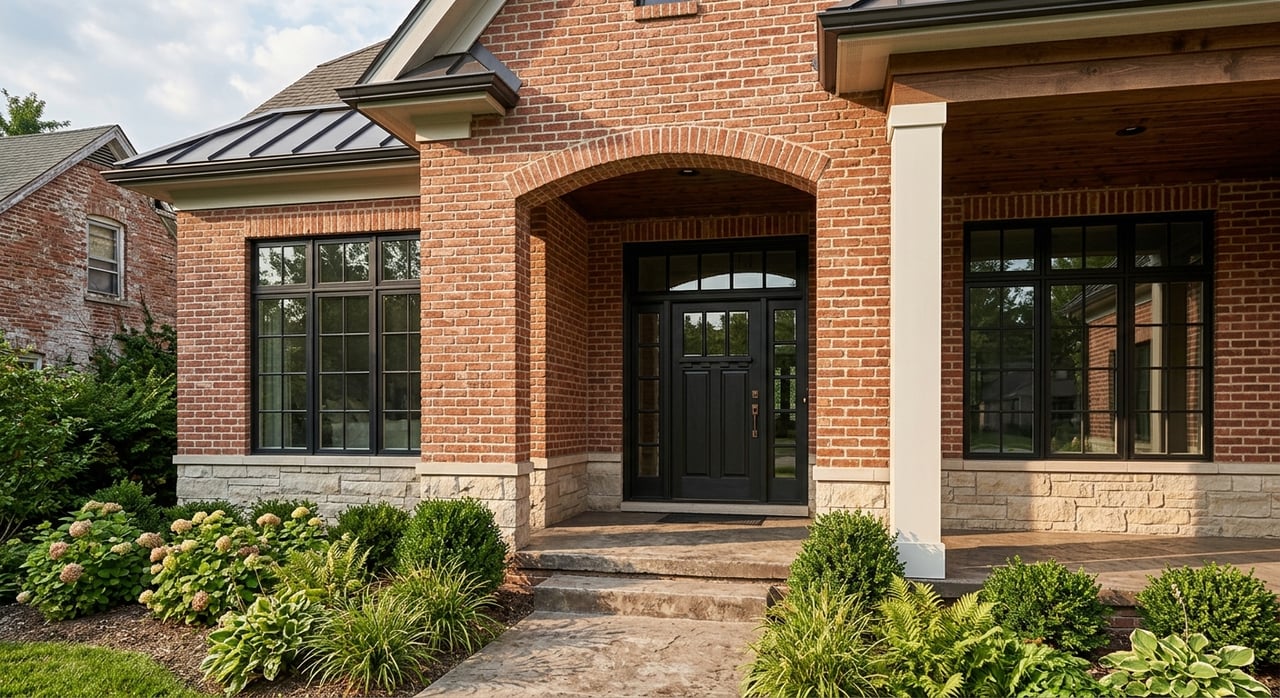
If architectural personality matters to you, Bonnie Brae may be especially appealing. The neighborhood association describes Tudor homes with high-pitched roofs as the trademark look, but the area also includes Spanish, Bauhaus, Postmodern, and International styles. North of Bonnie Brae Boulevard, you will also find one-story ranch brick homes.
That variety means Bonnie Brae is not a one-note neighborhood. Additions, pop-tops, scrapes, and replacement homes have created block-by-block variation over time. For buyers, that can create more choices in style, scale, and level of updating, but it also means each property should be evaluated on its own merits.
What to know about preservation
Bonnie Brae has older homes and a recognizable identity, but it is not a uniformly preserved historic district. The neighborhood association notes that an effort to gain landmark status in the late 1980s did not succeed. If historic designation is important to your decision, Denver’s Historic Landmarks & Districts map is the address-specific source to check.
For some buyers, that flexibility is a plus. You may find older homes with original charm, renovated properties, or homes with more extensive changes over time. For others, it is a reminder to confirm the exact character of the block rather than assume the whole neighborhood will feel the same from one street to the next.
Parkway Character and Street Appeal
One of Bonnie Brae’s defining features is Bonnie Brae Boulevard, which the City and County of Denver lists as a designated parkway. Denver explains that parkways use tree lawns, setbacks, and building-line restrictions to create a park-like street character. Those restrictions also apply to private property along those streets.
That designation helps explain why some parts of the neighborhood feel especially landscaped and visually cohesive. If you are considering a property on Bonnie Brae Boulevard or another designated parkway, it is wise to review the applicable setback and building-line restrictions early. That is particularly important if future changes or additions are part of your long-term plan.
Daily Life in Bonnie Brae
Bonnie Brae tends to support a neighborhood-scale routine rather than a fast-paced, entertainment-first lifestyle. The business district along South University Boulevard retains much of its 1920s heritage and includes locally owned restaurants and businesses. The Bonnie Brae Neighborhood Association highlights examples such as Bonnie Brae Ice Cream, Bonnie Brae Liquor, Bonnie Brae Conoco, ink! Coffee, Katherine's French Bakery & Cafe, and additional wellness and service businesses.
That local mix can make daily life feel easier and more connected. You can picture a morning coffee, a quick errand, a bakery stop, or an evening ice cream run without leaving the immediate area. For many buyers, that kind of routine is a meaningful part of neighborhood fit.
Community anchors nearby
Beyond shops and services, Bonnie Brae also has established civic anchors. Denver Public Library says the Eugene Field Branch on South University Boulevard has long served the University Park and Bonnie Brae neighborhoods, with renovation slated to begin in October 2026. Denver Public Schools has also noted the community role envisioned for the Stephen Knight Center for Early Education.
These details help paint a fuller picture of the neighborhood. Bonnie Brae is not only about housing stock or street design. It also offers the kind of local institutions that often support a stable, neighborhood-oriented daily rhythm.
Who Bonnie Brae Often Fits Best
Bonnie Brae can be a strong match if you want a central Denver location with an established residential feel. Based on the neighborhood’s size, housing stock, street pattern, and local business mix, it often appeals to buyers who value distinct older homes, mature streetscapes, and the ability to handle day-to-day errands within a compact setting. It can also make sense if you prefer a setting that feels more settled than rapidly changing.
The Bonnie Brae Neighborhood Association has reported that residents value the neighborhood’s location, established character, and friendliness of neighbors. Those preferences suggest a place that resonates with buyers who want a calm, familiar environment with a strong sense of place. If that sounds like your next chapter, Bonnie Brae may be worth serious consideration.
When Bonnie Brae May Not Be the Best Match
Every neighborhood has tradeoffs, and Bonnie Brae is no exception. If your top priority is brand-new inventory, a dense condo or high-rise setting, or a district built around constant nightlife and large-scale entertainment, Bonnie Brae may feel too quiet or too residential for your goals. Its identity is tied more closely to established homes and neighborhood-scale convenience than to new construction or an urban tower lifestyle.
That does not make it better or worse than another neighborhood. It simply means fit matters. The strongest decisions usually come from matching the neighborhood’s real character to your actual daily priorities.
Smart Questions to Ask Before You Buy
If Bonnie Brae is on your shortlist, a little focused due diligence can go a long way. This is especially true in a neighborhood where street character, home style, and block-by-block variation can influence value and long-term satisfaction.
Here are a few practical questions to ask:
- Does the exact block match the setting you want?
- Is the home largely original, updated, expanded, or newly replaced?
- If the property is on a designated parkway, what restrictions apply?
- If school assignment matters to your search, what does the current district boundary map show for that address?
- If historic status matters to you, does the address appear on Denver’s Historic Landmarks & Districts map?
Denver Public Schools maintains district and boundary maps, so school assignments should always be verified by exact address. In a neighborhood like Bonnie Brae, details matter, and they are worth confirming early rather than assuming.
Why a Local, Research-Driven Approach Matters
In a neighborhood with this much nuance, broad assumptions are rarely enough. The right purchase depends on the exact home, its block, its level of renovation, and any property-specific considerations tied to parkway restrictions or future plans. That is why a research-driven approach is especially valuable here.
For buyers considering Bonnie Brae, clarity comes from careful evaluation rather than quick impressions. For sellers, positioning a home well means understanding how its architecture, location, and updates fit within the neighborhood’s mix. A measured, local perspective can help you move with more confidence in either direction.
If you are weighing whether Bonnie Brae is the right fit for your next chapter, Casey Perry offers a discreet, research-led approach tailored to Denver’s established neighborhoods and luxury market.