
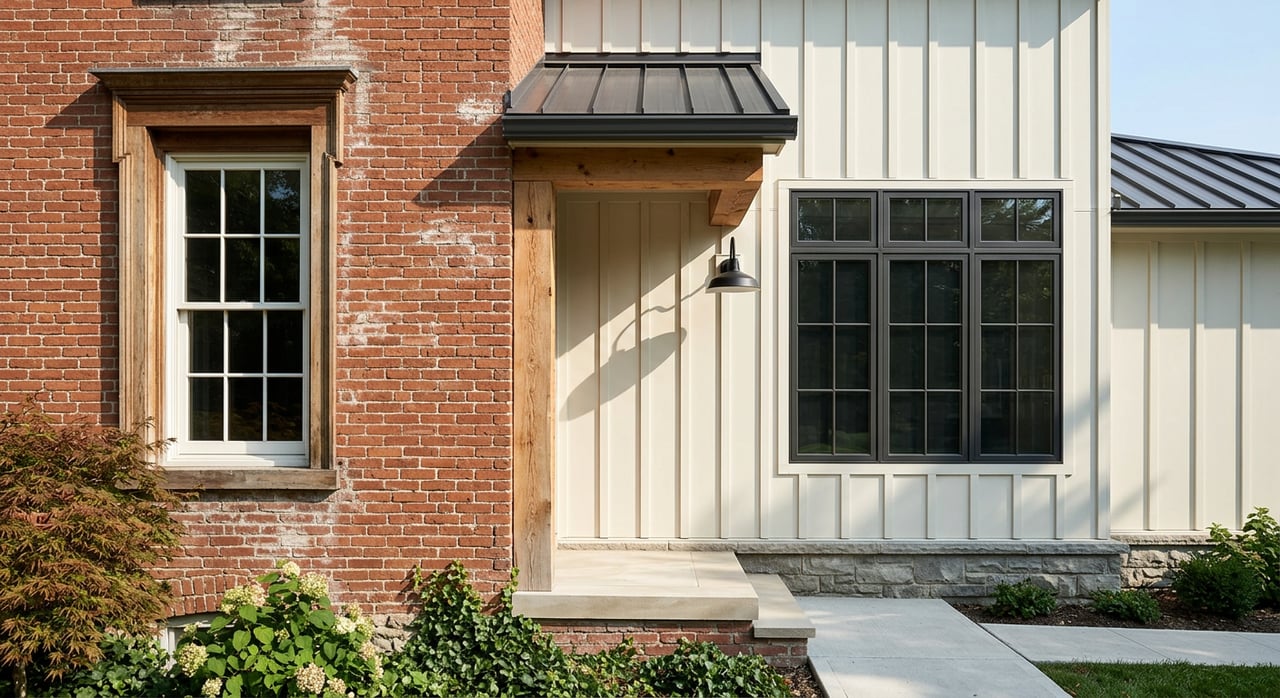
Choosing between a brand-new luxury build and a well-kept legacy home in Englewood can feel like comparing two excellent wines. Both can be exceptional. They just deliver different experiences. If you have settled on Englewood but are still weighing product type, you are not alone.
In this guide, you will get a clear, side-by-side look at how new construction and legacy homes perform in today’s market, what to expect on lots and layouts, how inspections and warranties work, what to know about taxes and incentives, and which long-term value drivers matter most here. Let’s dive in.
Market snapshot: Englewood luxury right now
- Median sale price in Englewood was about 604,000 dollars in January 2026, with typical days on market around 69 to 71. This points to a market that is calmer than 2020–2022 but still active. Figures reviewed March 3, 2026.
- A separate home-value series places the typical Englewood value near the low-to-mid 500,000s through January 31, 2026.
- Other monitoring tools show elevated active listings and median list prices ranging roughly from 500,000 to 670,000 depending on segment and timing.
Why numbers vary: different portals use different sample windows, include or exclude condos and townhomes, and reflect MLS updates on slightly different schedules. The takeaway for you is to compare like-for-like properties by neighborhood and product type before drawing conclusions.
Englewood is also planning large changes along the Hampden corridor. The CityCenter redevelopment process aims to add mixed-use housing, retail and public amenities over several phases, which can influence nearby values and housing supply in the next 5 to 10 years. You can read local reporting on the approved steps toward redevelopment and timing in the Englewood CityCenter coverage from BusinessDen. Neighborhood identity and small-area plans also matter here. The city’s Neighborhood Map is a helpful resource when you are comparing streets and sectors.
New construction vs. legacy homes: what you will notice
Architecture and layout
- Legacy homes: Expect an age mix that ranges from early 20th-century houses to mid-century ranches and later remodels. Many sit on established streets with mature trees and more traditional room-by-room layouts.
- New construction luxury: You will often see modern or “modern traditional” infill with open floor plans, larger kitchens, integrated garages and high-efficiency systems. On denser infill sites, yards may be smaller and more ornamental.
Englewood’s neighborhood character can vary from block to block. When you compare options, use the city’s Neighborhood Map to understand design standards, overlays and the feel of a given area.
Lot size and outdoor living
Luxury listings in Englewood split into two clear patterns:
- Larger legacy parcels: Quarter- to half-acre lots show up in select pockets, often with established landscaping and greater privacy.
- Infill new builds: Many new luxury homes occupy smaller lots, sometimes under 4,500 square feet, which trade yard size for a new interior and a walkable location.
Market segmentation tools show these differences across price tiers and age buckets. For a visual of how size and age map to price, review the Altos segmentation snapshot for Englewood’s inventory mix at Altos Research.
Systems, maintenance and inspections
Near-term costs to plan for
- Legacy homes: Budget for items that commonly age out over time, such as roof, siding, windows, HVAC, electrical panels and plumbing components. A full home inspection plus targeted specialist checks (roof, HVAC service review and sewer scope) can help you forecast early ownership costs.
- New construction: Immediate maintenance is often lighter, but you should plan for punch-list items and workmanship defects that surface after move-in. Third-party inspection protocols designed for new builds can catch issues before walls are closed and again before your one-year warranty window ends. For a practical overview of staged inspections, see the guidance on pre-drywall, final and 11th-month warranty checks from StructureTech.
Warranties and construction-defect context
Many builders use a “1-2-10” style warranty framework that covers workmanship for one year, major systems for two years and structural elements for up to ten years. Terms vary, so confirm what is covered, when coverage starts and how claims are handled. Ask if structural coverage is backed by a third-party policy.
Colorado’s construction-defect statutes set notice and pre-litigation procedures for defect claims, and recent legislation has adjusted how some multifamily issues are handled. If you are considering attached luxury product, review background on the state’s construction-defect framework from Faegre Drinker and align your approach with current counsel.
Taxes, permits and what to budget
In Arapahoe County, residential property is valued on a set assessment schedule, with periodic reappraisals that generally occur in odd-year cycles. New construction typically raises the improvement value on record when it is added to the tax roll. To understand timing and how statements are calculated, review the county’s FAQs on assessments and billing at Arapahoe County.
If you build or buy new construction, be aware of local permitting costs. The City of Englewood collects a construction use tax deposit at the time of permitting. You can see the city’s overview of sales, use and other taxes at Englewood Finance.
A simple way to estimate property taxes is to use the assessor’s current assessed value and your combined mill levy:
- Example: If the assessor’s records show an assessed value of 80,000 dollars and your combined mill levy is 80 mills (which is 0.080 in decimal form), your annual tax estimate is 80,000 × 0.080 = 6,400 dollars.
Ask your advisor to pull the assessor’s record for your parcel and request the builder’s estimate of post-completion assessed value so you can model taxes under different scenarios.
Energy, comfort and monthly costs
New construction often meets current energy codes and may include high-efficiency systems that lower utility bills. Energy-labeled homes can deliver measurable savings and comfort advantages; you can learn more about the benefits of energy-efficient new homes from the EPA’s ENERGY STAR program overview.
If you are evaluating incentives, the Colorado Energy Office’s Home Energy Rebate programs focus on retrofits for existing homes. The CEO specifically notes that new construction is generally not eligible for direct homeowner rebates. Review current eligibility rules and timing details at the Colorado Energy Office. If you prefer to buy a legacy home and upgrade systems, these rebates can be a meaningful offset to your project costs.
Long-term value: what tends to appreciate here
- Legacy advantages: Established streets, mature trees and larger yard footprints can be compelling over time. Many buyers value the space and privacy that older lots offer. Use the city’s Neighborhood Map to understand context and nearby plans.
- New-build advantages: Modern layouts, new systems and energy efficiency attract buyers who want move-in condition. Proximity to walkable amenities and planned improvements near the CityCenter corridor can support demand. Track local redevelopment updates at BusinessDen.
Local nuance matters. Englewood includes inner-ring blocks near Denver and more suburban pockets. Product-level performance varies by micro-neighborhood, lot size and age. For a current view of how segments are performing, review small-area trends through market segmentation tools like Altos Research and ask for a comp set tailored to the exact area you prefer.
Buyer decision checklist
If you are considering new construction
- Builder track record
- Who is the builder, and which recent local projects can you tour?
- Ask for references and look at closed-sale histories where available.
- Written warranty
- Get the full warranty document. Confirm coverage windows, claim process and any third-party structural backing.
- Independent inspections
- Secure permission for pre-drywall and final inspections, plus an 11th-month warranty inspection. See inspection staging guidance from StructureTech.
- Legal and financial obligations
- Review HOA rules and CCRs. Ask whether any special districts, assessments or ground leases apply, especially near redevelopment zones.
- Specifications and finishes
- Request an itemized list of standard features and upgrades. Build a 5-year capex plan for appliances and finishes with shorter life cycles.
If you are considering a legacy home
- Condition and near-term capex
- Document the age and condition of roof, HVAC, water heater, windows, siding, electrical panel and plumbing. Pull permits for any past remodels.
- Specialist checks
- Order a full home inspection plus a sewer scope and HVAC servicing review. If the home has a history of water intrusion or foundation work, add specialist evaluations.
- Property records and overlays
- Confirm recorded easements and boundaries. Ask if any local overlays or guidelines will affect exterior renovations. Use the city’s Neighborhood Map as a starting point.
- Operating costs
- Ask for 12 months of utility bills. Price out energy upgrades and check rebate eligibility at the Colorado Energy Office.
A quick advisor process you can expect
- Pull 6 to 12 recent comps in your target micro-area and across nearby price tiers, adjusting for lot size, age, square footage and recent capital improvements.
- Right-size inspections: full inspection for resale; pre-drywall, final and 11th-month checks for new builds, with photos and dated reports to preserve claims. Reference staging guidance at StructureTech.
- Build a 5-year capital plan for systems and finishes and estimate monthly operating costs under different energy scenarios.
- Verify taxes and title: confirm assessed values, mill levies and any special assessments or district liens with Arapahoe County. Ask title to review easements or ground leases.
- For new builds, confirm warranty terms in writing and request a certificate of occupancy prior to closing when possible. Include punch-list timing in your contract language.
- Review nearby planning and redevelopment materials, including CityCenter reporting at BusinessDen, to understand future demand drivers.
How we help you choose with confidence
You deserve more than a quick tour and a price opinion. You deserve a private advisor who brings deep Englewood knowledge, rigorous research and a vetted vendor network to every step. Our approach pairs neighborhood-level analysis with discreet, concierge service. We coordinate inspections, model 5- and 10-year scenarios, and position you for a confident decision whether you lean new construction or a legacy estate.
When you are ready for a quiet, strategy-first conversation about Englewood luxury, reach out to Casey Perry for a private consultation.
FAQs
Is Englewood a buyer’s or seller’s market in early 2026?
- Market data shows longer days on market and broader inventory than the 2020–2022 period, which points to a more balanced environment where careful pricing and strong presentation matter on both sides.
How could the CityCenter redevelopment impact values near Hampden?
- Phased mixed-use redevelopment can draw new amenities and housing options that influence demand and land values over 5 to 10 years; follow local reporting at BusinessDen to track timing and scope.
Do new luxury homes in Colorado qualify for homeowner energy rebates?
- The Colorado Energy Office notes that new construction is generally not eligible for its direct homeowner rebates; many incentives target retrofits in existing homes, so verify eligibility before planning upgrades.
What inspections should I order on a brand-new luxury home?
- Plan for a pre-drywall inspection, a final inspection before closing and an 11th-month warranty inspection to catch issues while warranty coverage is in force; see StructureTech for process details.
How are property taxes calculated for a new build in Arapahoe County?
- New construction increases the improvement value that appears on the assessor’s roll; your annual tax is the assessor’s assessed value multiplied by your combined mill levy, with timing and billing explained in the county’s FAQs.
What are the biggest near-term costs on a legacy luxury home?
- Common items include roof, HVAC, water heater, windows, siding and aging plumbing or electrical components; a full inspection plus targeted specialist checks helps you budget the first 1 to 3 years.