
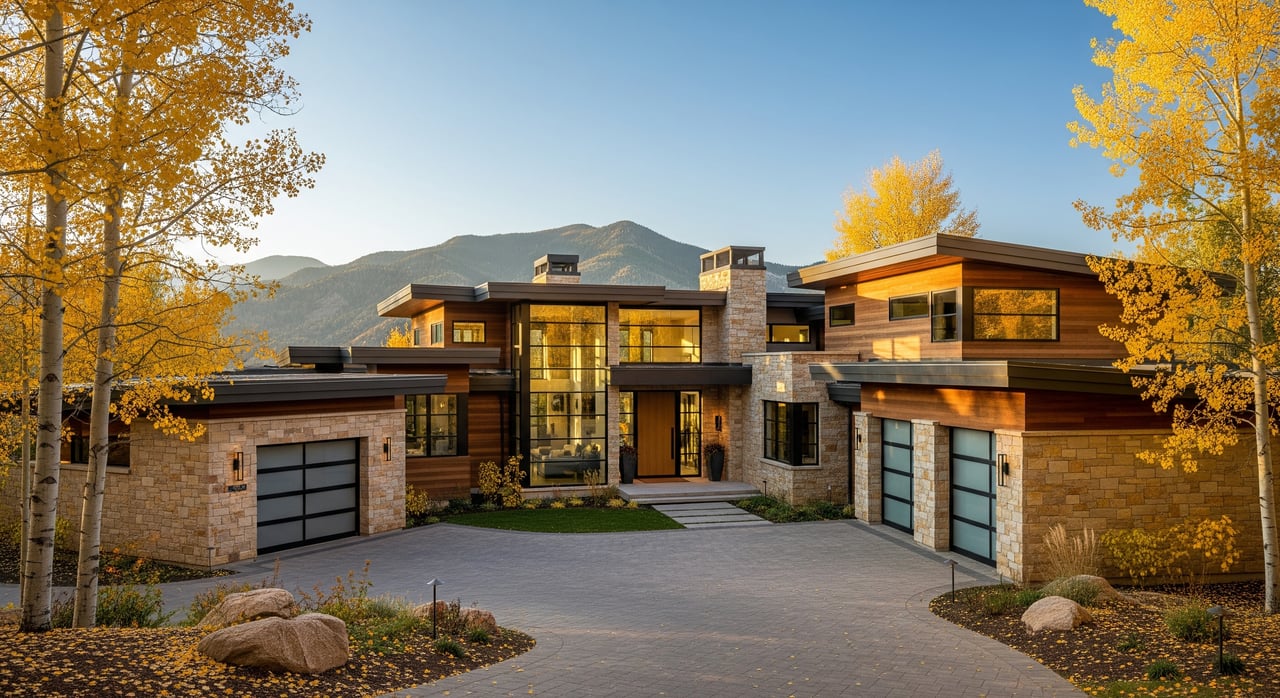
Is there a right month to list your Englewood luxury home? Timing matters. The most successful sales meet the market when buyer activity is highest and presentation is complete. In this guide, you’ll learn how Englewood’s high‑end segment behaves through the year and how to plan updates, staging, and launch so you maximize price and minimize days on market. Let’s dive in.
Define “luxury” the Englewood way
Luxury looks different by city. For clarity, this article focuses on the City of Englewood in Arapahoe County. When you analyze the market, avoid mixing in broader Denver‑metro numbers that can blur local trends.
A practical way to define luxury is by percentile. Use the top 10 to 20 percent of Englewood sold prices over the last 12 months. This ties your strategy to the true upper tier of this city. You can also analyze multiple bands, such as upper‑mid, entry luxury, and ultra‑luxury, but base each band on recent Englewood sales from REColorado.
State your definition in any report you create. Note the time window, the price bands, and the property types included. This keeps your decisions grounded and makes apples‑to‑apples comparisons possible.
Seasonality in Englewood luxury
Across the Denver area and nationally, spring is the lead season for buyer activity. Late March through June is often the peak window for higher prices and faster sales in the upper tiers. A smaller spike commonly appears from late summer into early fall as buyers who missed spring return to the market.
Winter is quieter. Late November through February usually brings fewer showings and offers. That said, winter buyers can be motivated and well qualified, especially if a corporate move or job start is driving their timeline.
In Englewood’s luxury segment, you will see these patterns, but with a few nuances. Many high‑end buyers search longer and will wait for the right fit. Relocating professionals tied to the Denver Tech Center or regional hospitals may act in Q1 or late summer. Plan for these cohorts when you choose your list date.
Absorption and DOM: read the signals
Before you decide when to list, check a few core metrics:
- Months of inventory: Active listings divided by average monthly sales. Less than 3 months suggests a seller’s market. Four to 6 months is balanced. More than 6 months leans buyer‑friendly.
- Absorption rate: Monthly sales divided by active listings. A higher percentage means faster turnover.
- Days on market (DOM): Look at median DOM and the distribution across under 30 days, 30 to 90 days, and over 90 days.
- List‑to‑sale price ratio: Shows how close sellers come to their list price in your price band.
Use rolling 12‑month and recent 3‑month windows from REColorado to see both the big picture and the current pulse. Luxury is a thinner market, so a few listings can swing the numbers. Rolling averages keep you from overreacting to a single month.
Hypothetical example for context
This is only an illustration. Replace these figures with current MLS data. If Englewood’s luxury band shows 24 closed sales in 12 months, that is 2 per month on average. If there are 12 active luxury listings, months of inventory is 12 divided by 2, or 6 months. That reads as a balanced market. Absorption would be 2 divided by 12, or 16.7 percent per month. In a balanced setup, price discipline and presentation quality become critical.
Timing strategy: align prep to demand
Your goal is to finish prep so you can go live into peak search and showing windows. For most Englewood luxury homes, aim for late March through June. If you miss spring, target August through October. If the most recent 3‑month absorption is accelerating, consider bringing your listing forward to catch the momentum. If it is slowing, tighten your pricing and be ready for a longer marketing period.
8 to 12‑week listing prep timeline
Most high‑end listings benefit from light improvements, professional staging, and top‑tier creative assets. A Compass Concierge‑style plan can help you complete impactful projects before launch.
- Weeks 8 to 12: Define scope, secure bids, and confirm the staging plan. Reserve photography, video, and floorplans. For larger updates, expand this window and account for permits if needed.
- Weeks 4 to 6: Complete paint, flooring refresh, hardware swaps, lighting upgrades, deep clean, landscaping tune‑up, and any pre‑listing inspection you want for transparency.
- Weeks 1 to 2: Install staging. Capture photography, video, and 3D tours. Finalize copy, brochures, and private microsite if desired.
- Launch week: Go live midweek to capture online search surges and build to strong weekend showings.
Keep your calendar flexible in case contractor timelines shift. Confirm deliverables and dates in writing and publish only finished photos.
Launch week strategy for luxury listings
First impressions are everything in the upper tier. Consider a quiet broker preview before public launch. Follow with high‑impact open houses or private, invitation‑only showings in the first 7 to 14 days.
Price to your strategy. If you want speed and strong terms, price to attract competing interest early. If you are testing for a top‑of‑market number, allow for a longer runway and stay responsive to feedback.
Scenario planning: your ideal list date
Here are a few practical examples to map your timing:
- Moving this summer: To close by late July, plan to list by early June. Start upgrades in April and complete creative assets by late May.
- Missing spring: If improvements push you past June, aim for a polished mid‑August launch. Ensure all staging and media are complete so you hit the post‑summer surge.
- Corporate relocation: If a job start is set for February, consider a January launch. Expect fewer showings but potentially motivated buyers. Lean into premium presentation and precise pricing.
Quick checks before investing in upgrades
- Run ROI math: Use fresh Englewood comps to estimate value added from paint, floors, lighting, and staging. Prioritize visible, high‑impact items.
- Confirm scope and schedule: Lock contractor timelines and materials in a signed scope. Add buffers for backorders.
- Understand program terms: If using a Concierge program that advances costs until closing, review fees and repayment details with your advisor.
Key takeaways for Englewood sellers
- Define luxury by local percentiles, not a fixed price. Use recent Englewood data only.
- Watch months of inventory, absorption, DOM, and list‑to‑sale ratio in both 12‑ and 3‑month windows.
- Aim for late March through June, or target August through October if spring is not feasible.
- Start improvements 8 to 12 weeks before your desired live date. For light cosmetic work, 3 to 6 weeks can be enough.
- In a tightening market, list sooner to meet demand. In a loosening market, sharpen pricing and plan for more days on market.
When you want a discreet, research‑driven plan and premium execution, request a private consultation with Casey Perry. You will get a clear timing strategy, a tailored upgrade plan, and best‑in‑class presentation designed for Englewood’s top tier.
FAQs
What counts as a luxury home in Englewood?
- A practical definition is the top 10 to 20 percent of Englewood sold prices over the past 12 months, measured from REColorado data and clearly stated in any analysis.
When is the best month to list in Englewood’s luxury market?
- Late March through June is typically strongest, with a secondary window from August through October, based on common Denver‑area and national seasonality patterns.
How do months of inventory affect my pricing strategy?
- Less than 3 months favors sellers and supports firmer pricing; 4 to 6 months is balanced and demands precise pricing; more than 6 months suggests a buyer‑leaning market with longer timelines.
Should I list in winter if I need to move?
- Yes, if your timeline requires it. Expect fewer showings, but winter buyers can be motivated. Lean on excellent presentation, accurate pricing, and flexible terms.
How far in advance should I start pre‑listing improvements?
- For most upper‑tier homes, start 8 to 12 weeks before your target live date. Smaller cosmetic refreshes can often be completed in 3 to 6 weeks.
Which day of the week is best for going live?
- A midweek launch, often Tuesday through Thursday, helps you capture peak online search activity and build to strong weekend showings.